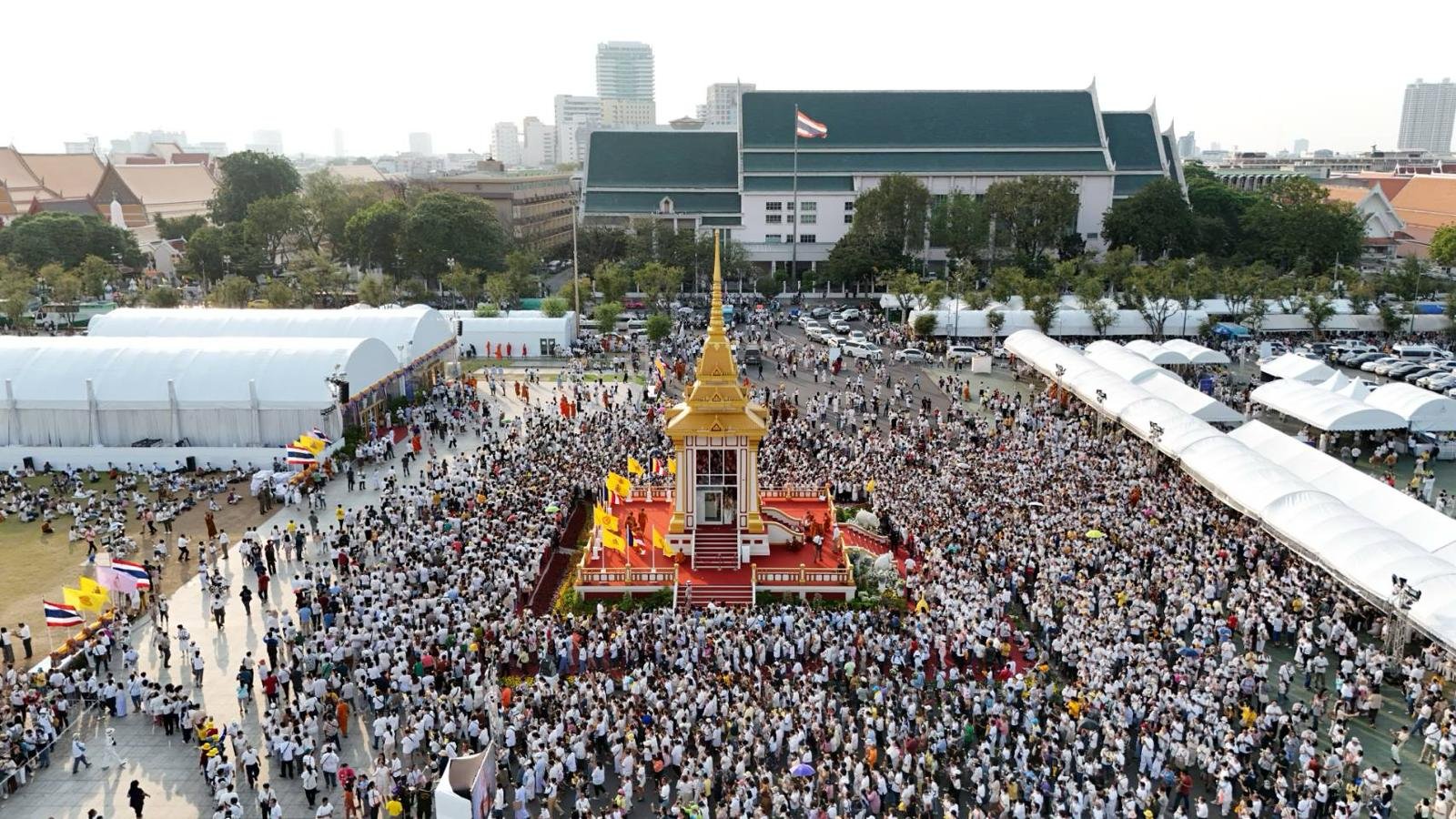


In the heartland of India, where the tiller’s sweat mingles with the earth’s unyielding bounty, Madhya Pradesh has unfurled a clarion call for agrarian renewal. On a sun drenched Sunday at Bhopal’s Jamboree Maidan, Chief Minister Dr. Mohan Yadav inaugurated “Kisan Kalyan Varsh 2026” a year long odyssey dedicated to the holistic emancipation of the farmer, positioning the state as the nation’s vanguard in farmer centric governance. This is no mere ceremonial flourish; it is a meticulously orchestrated symphony of policy interventions, harmonizing over 16 departments to restore the aannadata to his rightful pedestal of dignity and abundance.
Dr. Yadav’s vision transcends the prosaic mechanics of subsidy and scheme, invoking a profound axiom: the farmer’s felicity is the state’s sine qua non. Madhya Pradesh, already the sole bastion where cultivable acreage has swelled by 2.5 lakh hectares amid national agrarian contraction, now pledges to irrigate 16 lakh additional hectares across 25 districts through titanic riverine trinity Parvati Kalisindh Chambal, Ken Betwa, and Tapi Groundwater Recharge. Three million solar pumps shall dot the farmlands by 2029, transmuting tillers into self reliant energy progenitors, while zero interest credit flows unabated as a perennial lifeline. The Bhavantar mechanism, hitherto confined to soybean, extends its beneficent embrace to mustard, ensuring price volatility yields to calibrated equity.
Yet, this renaissance is no solipsistic ode to irrigation or input; it aspires to architect a value chain colossus. Seed testing laboratories shall be fortified into citadels of quality, mandis refashioned as paragons of modernity, and micro irrigation’s ambit prodigiously expanded. Crop loss surveys, wielding cutting edge geospatial sentinels, promise swifter succour, while agri industries beckon with subsidies and solar conclaves, fostering farmer equity in processing hubs. Dindori shall host the State Shree Anna Research Centre, Gwalior a mustard bastion, and Ujjain a chana vanguard harbingers of nutritional sovereignty. Food parks and processing units shall sprout on short cycle crop enclaves, and the e Vikas portal, launched amid fanfare, heralds transparent fertilizer distribution.
At its core, Kisan Kalyan Varsh enshrines ten sacrosanct resolves: mission mode organic farming, “Per Drop More Crop 2.0,” soil health stewardship, bioenergy from stubble (CBG plants for biogas and ethanol), global branding via “MP Global Agri Branding” and Agri Hackathons, youth infusion into husbandry, and agri tourism as rural renaissance catalyst. A calendared cavalcade Kodo Kutki bonuses in February, Natural Farming conclaves in March, Mango Mahotsav in May, FPO conventions in Indore, and Ganna Mahotsav in Narsinghpur ensures ceaseless momentum. From parali to prosperity, waste to wattage, the state vows to weave the farmer into an integrated agro industrial tapestry, where “farm to factory” supplants subsistence drudgery.
In an era when agrarian distress gnaws at the republic’s vitals, Madhya Pradesh’s audacious blueprint merits encomium and emulation. It repudiates the episodic largesse of electoral cycles, embracing instead a perennial covenant with the soil. As Dr. Yadav intoned, the farmer is “the tilak of Madhya Pradesh’s brow, etched in field’s sacred clay.” Herein lies the rhetorical genius: not populist palliatives, but a dialectical fusion of tradition and technology, equity and enterprise. If executed with unwavering resolve, this could well etch 2026 as the annus mirabilis of Indian agriculture, proving that in the fertile furrows of policy imagination, a prosperous peasantry is the ultimate harvest.