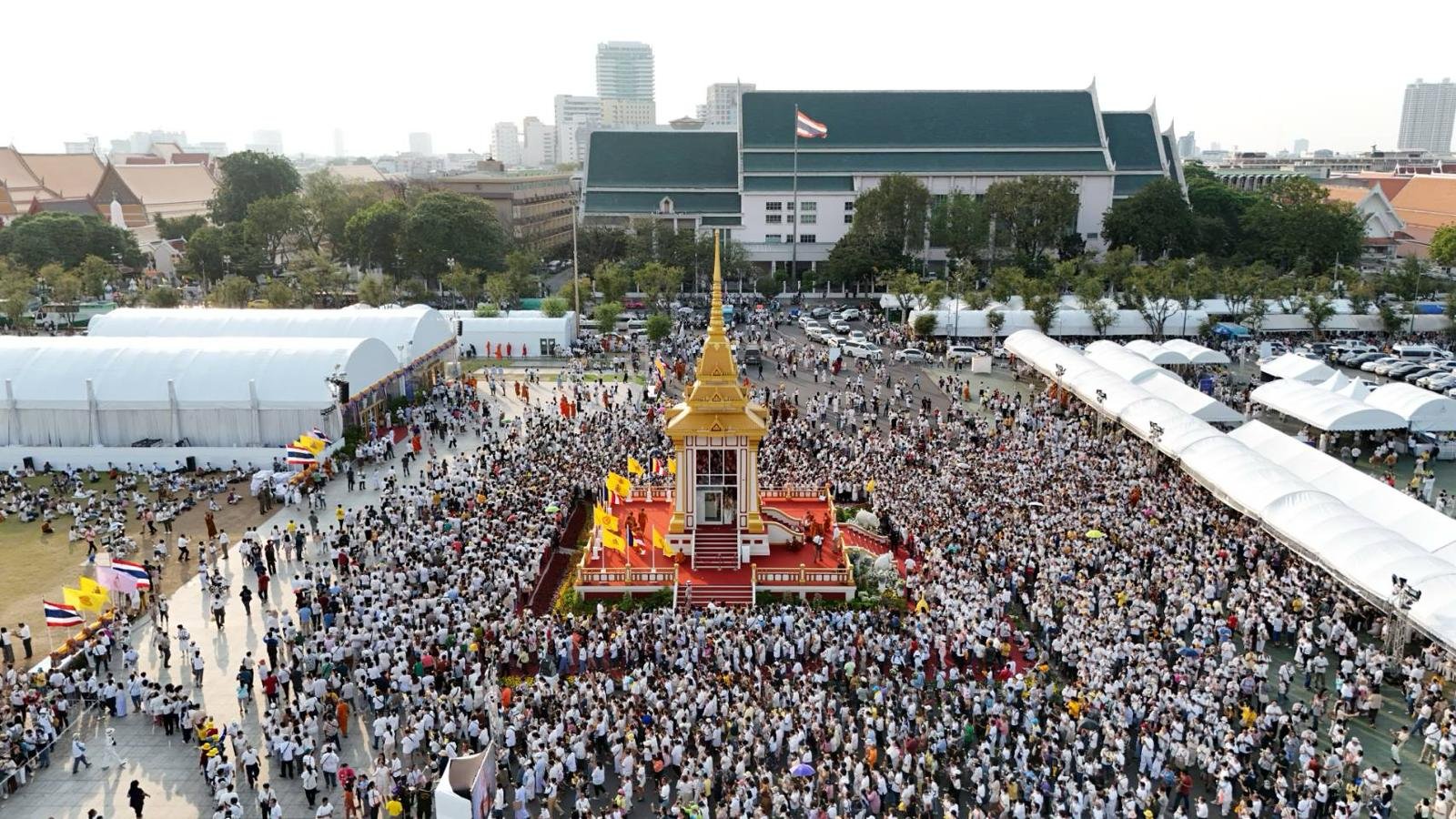


Ujjain’s Simhastha 2028 is being planned not merely as a religious gathering but as a civilizational event of global scale. That ambition is justified. The Kumbh tradition belongs to India’s deepest cultural memory, and Ujjain, as one of its sacred centers, carries a responsibility that goes far beyond ceremonial grandeur. The real task is to ensure that faith, safety, sanitation, mobility and dignity move together. If that balance is achieved, Simhastha will be remembered not only for its size but for its discipline.
Chief Minister Dr. Mohan Yadav’s emphasis on a clean and healthy Simhastha is therefore welcome. A gathering of nearly 40 crore pilgrims demands more than enthusiasm. It requires strict crowd management, reliable public infrastructure, water security, emergency response systems and coordinated institutional work. The idea that all departments, volunteers, public representatives and experienced organizers must function as one team is not a slogan; it is the only practical way to manage an event of this scale.
The infrastructure push underway in and around Ujjain is substantial. New ghats, upgraded roads, bridges, railway improvements, a digital command center, and water related projects such as the Sevarkhedi Silarkhedi scheme all indicate serious preparation. These investments are not only for the mela. If executed well, they can strengthen Ujjain’s long term urban capacity, improve everyday mobility, and support tourism and local economic activity well beyond the festival period. That is important, because major religious events should leave behind durable civic assets rather than temporary spectacle.
The most significant point is water. Simhastha’s spiritual meaning is inseparable from the health of the Shipra. If pilgrims are to bathe in sacred water with confidence, then river cleanliness, flow maintenance and sewage control must be treated as top priorities. The promise of new and permanent ghats, cleaner river management and a more stable water system is encouraging. But the success of the plan will depend on implementation, not proclamation. Polluted inflows must be controlled, treatment systems must function consistently and the river’s ecology must not be sacrificed for short term convenience.
The emphasis on connectivity is equally important. Road, rail and air access determine whether a pilgrimage is orderly or chaotic. Expanding highway capacity, upgrading railway stations and improving special train services are sensible moves. So is planning for a new airport and helipads. Yet transport infrastructure must be integrated with local traffic control, last mile movement and pedestrian safety. The experience of previous large events shows that roads alone are not enough; well designed movement systems and clear on ground coordination matter just as much.
There is also a governance lesson in the training workshop itself. Drawing on the experience of officers, volunteers and administrators who worked in earlier Simhasthas is wise. Large public events improve when institutions learn from memory rather than reinventing procedures every time. Formal committees, clear responsibilities, and regular simulation exercises can help prevent confusion when the crowds arrive.
Dr. Yadav is right to describe Simhastha as a shared responsibility. If the state can combine devotion with planning, and infrastructure with discipline, Simhastha 2028 may set a new standard for pilgrimage management in India. The true measure of success will be simple: whether millions of devotees can arrive, bathe, pray and leave safely, while Ujjain itself emerges cleaner, better connected and more resilient than before.